Saturday, January 3, 2026
What Is SEO? Definition, Functions, and Implementation


Do you want your website to appear on the first page of Google and be seen by more potential customers? Amid increasingly fierce online competition, visibility has become the key to digital business success. SEO is an important strategy that helps your website become easier to find through organic search results.
With the right Search Engine Optimization techniques, your website not only stands out more but also reaches a relevant audience. If you want to understand how SEO works and how to implement it effectively, read the article below.
What Is SEO?
SEO is the process of optimizing a website to improve its ranking on search engine results pages (Search Engine Results Page or SERP). When someone types a specific keyword into Google, the algorithm displays the websites considered most relevant and high-quality at the top positions.
How SEO works involves various technical aspects and content quality. Search engines use crawlers or automated bots to access and read every page of your website. This system analyzes site structure, loading speed, and content relevance, then uses that data to determine your website’s ranking in search results.
Imagine Google as a giant library with millions of books. For your book to be easily found, the title must be clear, the content relevant, and everything well organized. That is a simple illustration of how SEO works.
SEO Is a Strategy to Increase Website Visibility
Website visibility in search engines is the main foundation of today’s digital marketing success. A website that does not appear on Google is like a store hidden in a back alley — no matter how good the products are, people will not know it exists.
SEO is a long-term solution to increase this visibility. Unlike paid advertising that stops when the budget runs out, SEO works continuously. When your website is considered relevant and trustworthy by Google, organic traffic will keep flowing without paying for every click.
High visibility brings several significant advantages. First, potential customers can find your business when they need a solution. Visitors who come also have clear intent, so the chances of conversion are higher. In the long run, SEO becomes a far more efficient investment compared to continuously running paid ads.
Functions and Benefits of SEO for Online Business Websites
The function of SEO is not just about improving rankings on Google. There are many concrete benefits you will experience when implementing SEO correctly.
Increase Organic Traffic: With SEO, your website will gain more visitors from organic search results without paying for ads.
Build Trust and Credibility: Websites that appear on Google’s first page are considered more trustworthy by internet users. Google tends to display high-quality websites at the top.
Reduce Marketing Costs: Organic traffic does not require pay-per-click (PPC) fees. After optimization, maintenance costs are much lower than paid advertising.
Improve Conversion Rate: Visitors coming from organic search have clear intent, resulting in higher conversion rates compared to other traffic sources.
Provide Valuable Insights: Through SEO, you can analyze audience search behavior, keywords they use, and what they are looking for. This data is very useful for your business strategy.
Enhance User Experience: SEO optimization forces you to create a fast, easy-to-navigate, and mobile-friendly website, improving the overall visitor experience.
Types of SEO You Need to Know
There are three main types of SEO you must understand to optimize your website comprehensively.
On-Page SEO
On-Page SEO is the optimization performed directly within your website. It focuses on keyword usage in titles, descriptions, content, headings, and meta tags.
You also need to ensure the content structure is logical, internal linking works well, and images are optimized. On-Page SEO is the essential foundation for building search engine performance.
Off-Page SEO
Off-Page SEO focuses on factors outside your website, especially backlinks or links from other websites pointing to yours. For Google, backlinks act as “votes” that indicate your website is credible and valuable.
Off-Page SEO strategies usually involve relationship building, guest posting, and social media marketing.
Technical SEO
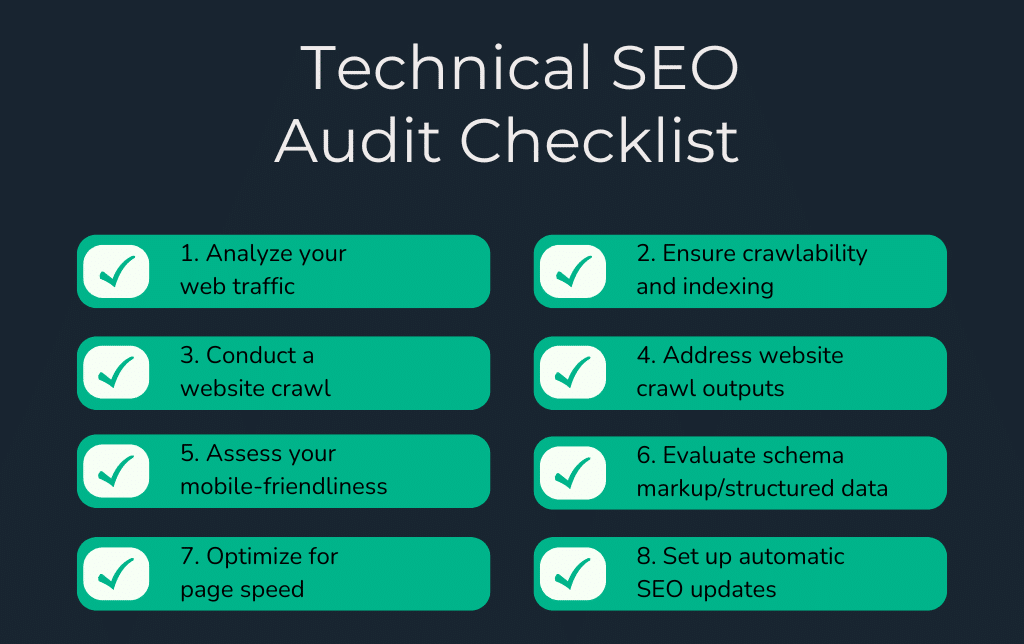
Technical SEO relates to technical aspects that affect your website’s crawlability and indexability. This includes website loading speed, URL structure optimization, SSL certificates, sitemap, and robots.txt.
With good Technical SEO, search engines can access and understand your website more effectively.
All three types of SEO must be implemented together for optimal results. Ignoring one will reduce the overall effectiveness of your SEO strategy.
How SEO Works: From Crawling to Ranking on Google
Understanding Google’s ranking process will help you design a more effective SEO strategy. The process can be divided into several stages.
Stage 1: Crawling
The SEO process begins when Google’s crawler visits your website. This crawler is an automated bot that continuously explores the internet to discover and read new content.
It can find your website through links from other sites or through your sitemap. After that, the crawler follows every link within your website to map all available pages.
Stage 2: Indexing
After crawling your pages, Google analyzes and stores the information in a massive database called the index. However, not all crawled pages are indexed. Google only stores content considered relevant, high-quality, and compliant with their standards.
Stage 3: Ranking
When users perform a search, Google looks for the most relevant pages from its index. Then Google orders the results using hundreds of factors such as content quality, website speed, mobile-friendliness, backlinks, and user experience.
The goal is to present the best results for users.
Stage 4: Displaying Results
After the ranking process is complete, search results are displayed on Google. Websites that optimize all SEO aspects properly have a greater chance of appearing at the top.
This process happens continuously. Google keeps crawling websites to keep its data up to date. If you add or update content, crawlers will discover and refresh the index.
Basic Steps to Optimize Your Website with SEO
If you are a beginner and want to start SEO, here are the basic steps to follow.
1. Keyword Research
Start by identifying what keywords your potential customers use. Use tools like Google Keyword Planner, Ahrefs, or SEMrush to find keywords with good search volume and reasonable competition.
Focus on long-tail keywords such as “SEO services for small businesses” because they are more specific and have higher conversion potential.
2. Content Optimization
Write high-quality, informative, and relevant content targeting your keywords. Content should be written for readers, not just search engines.
Ensure your article answers audience questions or solves their problems. Use clear headings, short paragraphs, and supporting visuals for readability.
3. On-Page Optimization
Place your main keyword in the title (H1), meta description, URL, and once or twice in the opening paragraph. Use H2 and H3 strategically to structure the content.
Optimize images by adding descriptive alt text so search engines can understand them.
4. Technical SEO Improvements
Ensure your website loads quickly (ideally under three seconds) and performs well on mobile devices. Your site should also use an SSL certificate for security.
Create sitemap.xml and robots.txt, then register your website with Google Search Console so Google can index your pages more effectively.
5. Build Backlinks
Start building high-quality backlinks from relevant and reputable websites. Methods include guest posting, broken link building, or creating linkable assets.
6. Monitor and Analyze
Use Google Analytics and Google Search Console to monitor performance. Check which keywords are ranking, how much traffic you get, and your conversion rate.
This data will help refine your SEO strategy.
SEO must be done consistently. It is not an instant process but a long-term journey. Significant results usually begin to appear after three to six months of consistent implementation.
Examples of SEO Implementation on Business Websites and Blogs
To provide a clearer picture, here are two implementation scenarios.
SEO Implementation on E-Commerce/Business Website
An entrepreneur selling handicraft products creates an online store website. He targets the keywords “kerajinan tangan kayu berkualitas” and “furniture rotan Malaysia custom.”
Each product has its own page with complete descriptions covering materials, design, and pricing, all optimized with specific keywords. He also creates a blog with helpful articles such as “Cara Memilih Furniture Rotan Berkualitas” and “Tren Desain Furniture Rotan 2024” to attract organic traffic.
Off-page SEO is implemented through backlinks from popular online stores, fashion/lifestyle sites, and interior design blogs. Social media activity and fast responses to positive reviews further build customer trust.
As a result, within six months the website reaches Google’s first page for several main keywords. Organic traffic increases by 150%, and sales rise by about 40%.
SEO Implementation on an Informational Blog
A blogger focusing on entrepreneurship writes an article titled “Apa itu Digital Marketing dan Bagaimana Cara Mulai” targeting the keyword “digital marketing adalah.”
The article contains comprehensive explanations, real examples from successful startups, and actionable tips. The content is made more comprehensive than competitors already on Google’s first page.
To support optimization, the blogger creates additional interlinked articles pointing to the main article. Promotion is done via newsletter, emails to professional networks, and guest posts on other blogs with backlinks to the main article.
As a result, within three months the article rises to position 3 on Google’s first page, gains more than 2,000 views per month, and generates 200+ new email subscribers.
These examples show that SEO can be applied to various types of websites with significant results.
Common SEO Mistakes to Avoid
To ensure your SEO efforts are not wasted, avoid these common mistakes.
1. Keyword StuffingRepeating keywords excessively is an outdated tactic. Google considers this spam and may lower your ranking. Use keywords naturally and focus on quality content.
2. Ignoring Mobile SEOMore than 60% of Google searches come from mobile devices. If your site is not mobile-friendly, you will lose significant traffic. Ensure your website is responsive and fast.
3. Creating Low-Quality ContentThin or copied content cannot compete on Google. Search engines prioritize original, comprehensive, and valuable content.
4. Ignoring User ExperienceSEO is not only about ranking but also about delivering the best user experience. Poor navigation, intrusive ads, and messy layouts increase bounce rates.
5. Not Maintaining BacklinksBacklinks built today may become irrelevant later. Audit backlinks regularly and remove low-quality links.
6. Expecting Instant ResultsSEO is not instant. Typically, it takes 3–6 months to see real results. Consistency and patience are key.
7. Ignoring AnalyticsMany website owners do SEO without tracking results. Use Google Analytics and Google Search Console to evaluate performance and improve strategy.
SEO Tips for Beginners to Get Indexed Faster
If you are just starting, here are practical tips.
1. Submit Your Website to Google Search Console Register your website and submit your sitemap to help Google discover your pages faster.
2. Create an XML SitemapA sitemap lists all your website pages, helping Google crawlers index them. WordPress plugins like Yoast SEO or RankMath can generate it automatically.
3. Secure Your Website with SSLGoogle prefers HTTPS websites. SSL improves security and ranking potential.
4. Optimize Loading SpeedCompress images, enable caching, use a CDN, and minimize CSS/JavaScript. Tools like Google PageSpeed Insights provide recommendations.
5. Create Valuable Evergreen Content Focus on long-lasting content that remains relevant for years.
6. Use Strategic Internal LinkingLink related articles to help Google understand site structure.
7. Publish ConsistentlyRegular updates signal freshness to Google.
8. Engage with Your AudienceRespond to comments and social interactions to build positive engagement signals.
SEO FAQ: Frequently Asked Questions
How long does SEO take to show results?
Typically 3–6 months, depending on keyword competition, SEO quality, and domain authority.
Is SEO better than PPC?
Both have advantages. PPC gives instant results, while SEO provides sustainable long-term results. The best strategy is combining both.
Should I hire an SEO expert or do it myself?
You can start yourself, but hiring an expert or agency accelerates results.
How many backlinks do I need?
Quality matters more than quantity. Ten high-authority backlinks are better than 100 low-quality ones.
Is local SEO different from general SEO?
Yes. Local SEO focuses on location-based searches and includes Google Business optimization and local reviews.
Does social media affect SEO?
Not directly. However, social media can increase traffic and visibility, which may lead to natural backlinks that positively impact SEO.